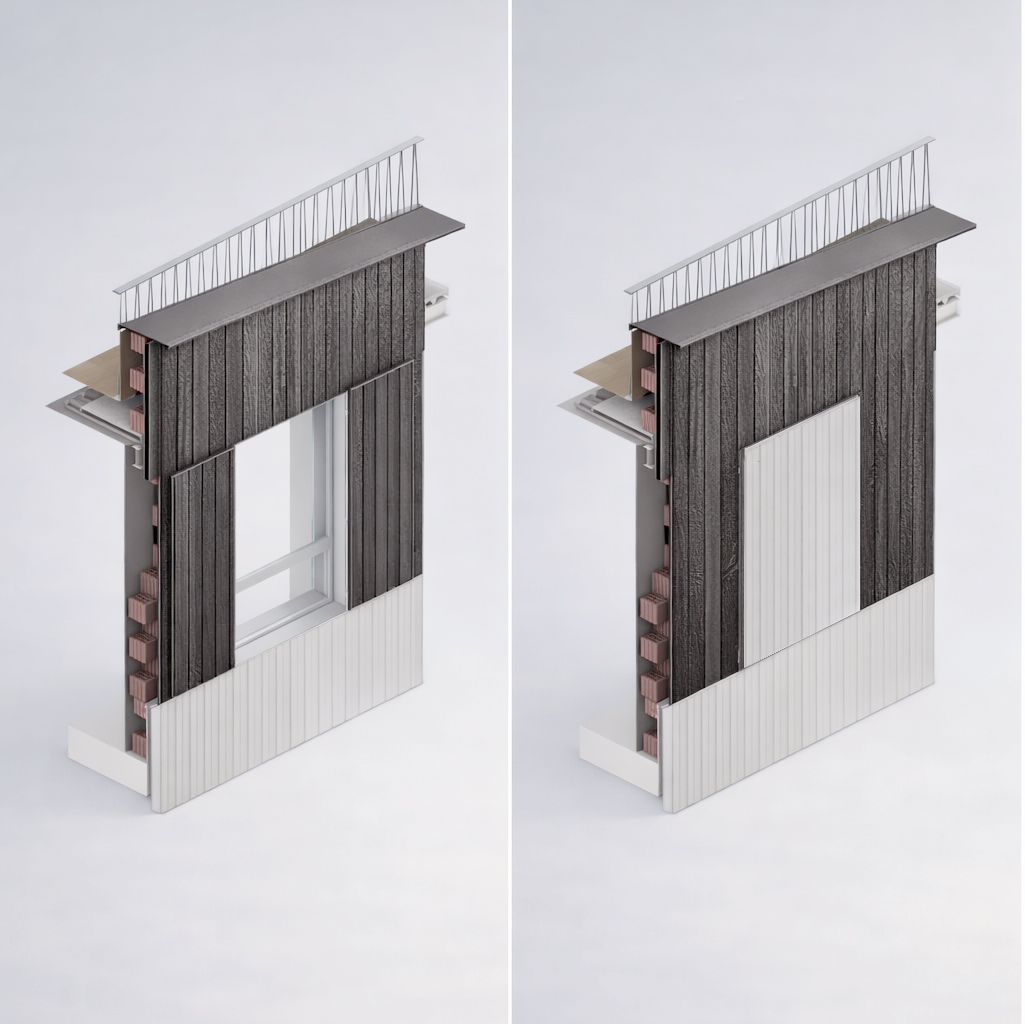
Carbona House
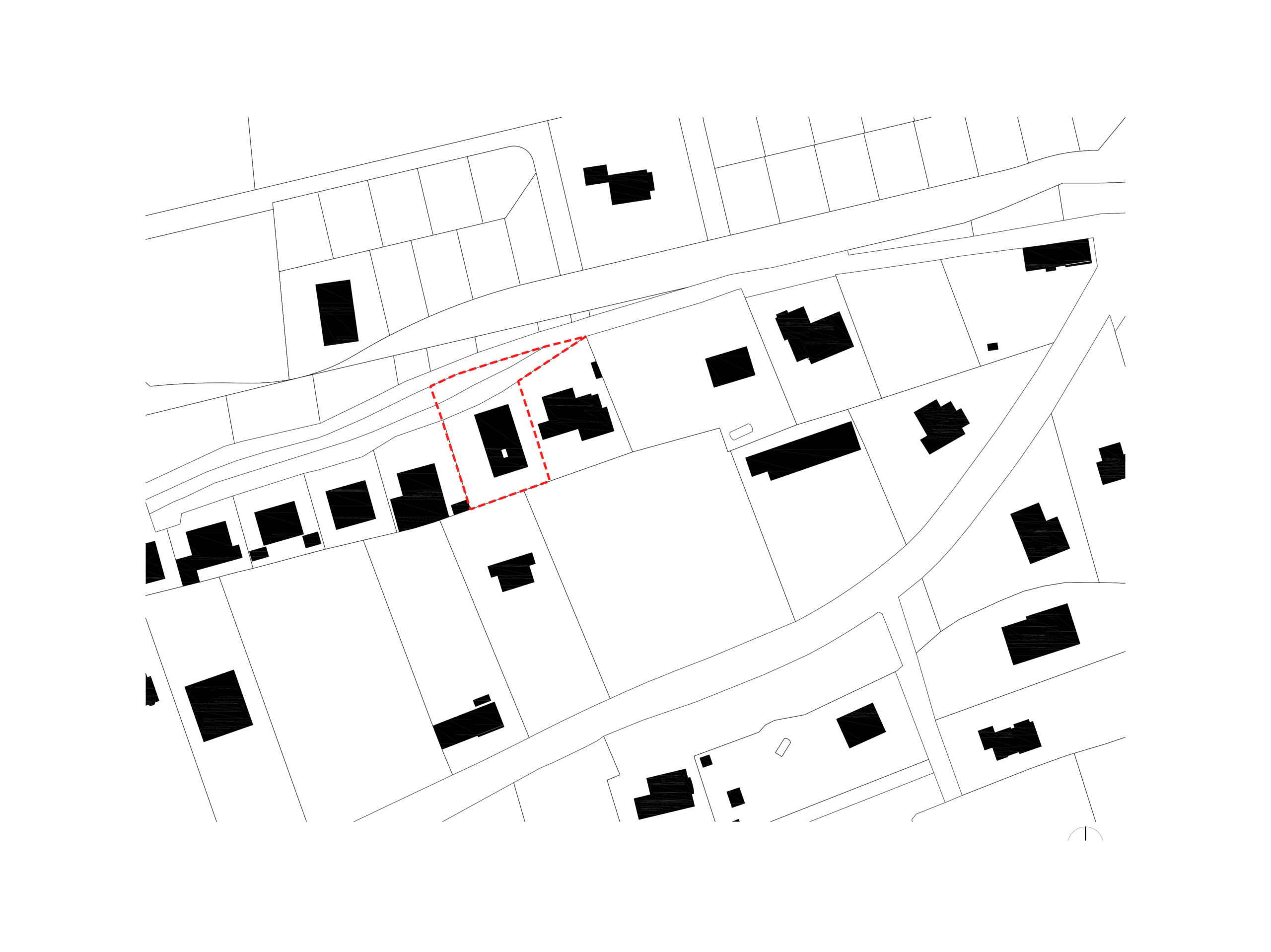
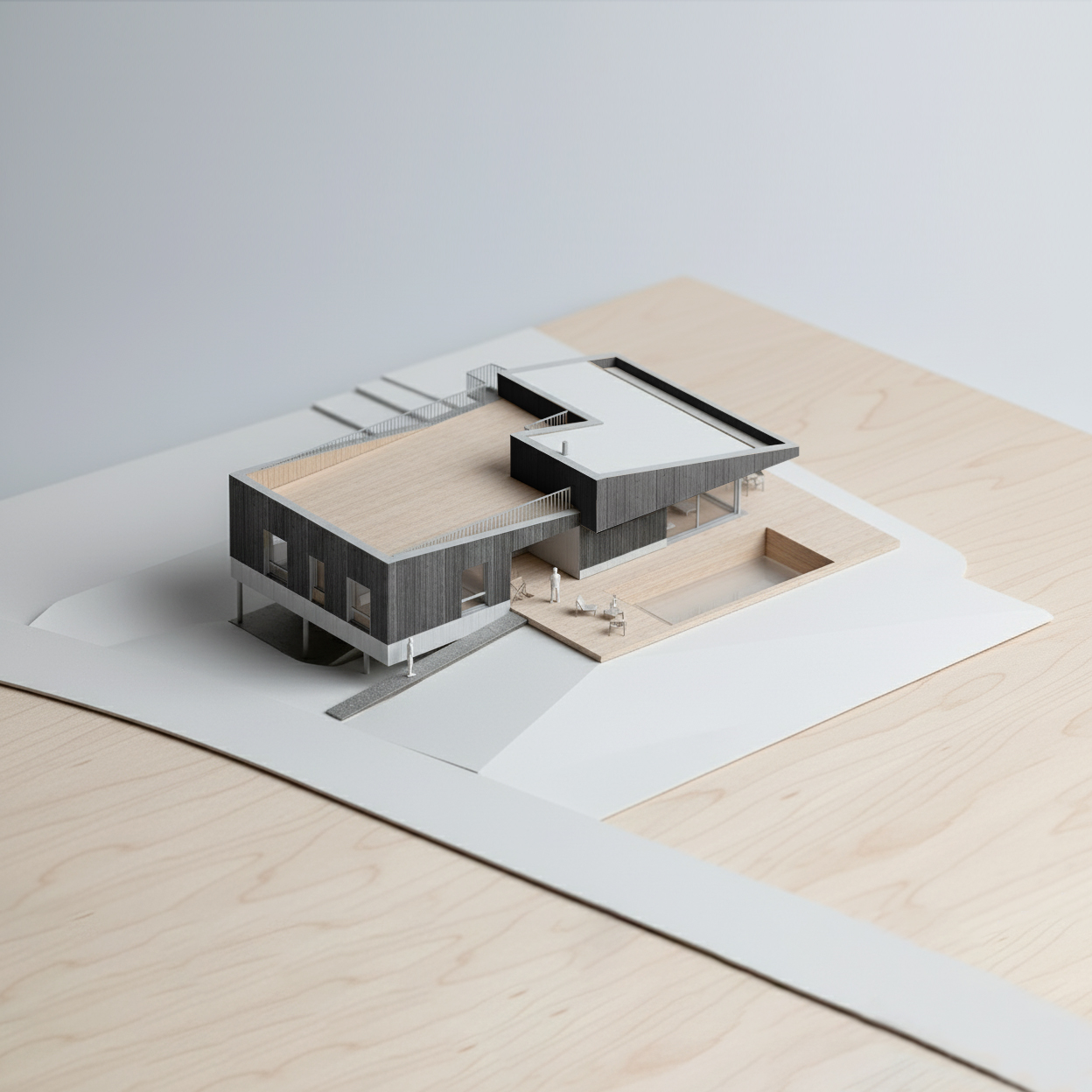
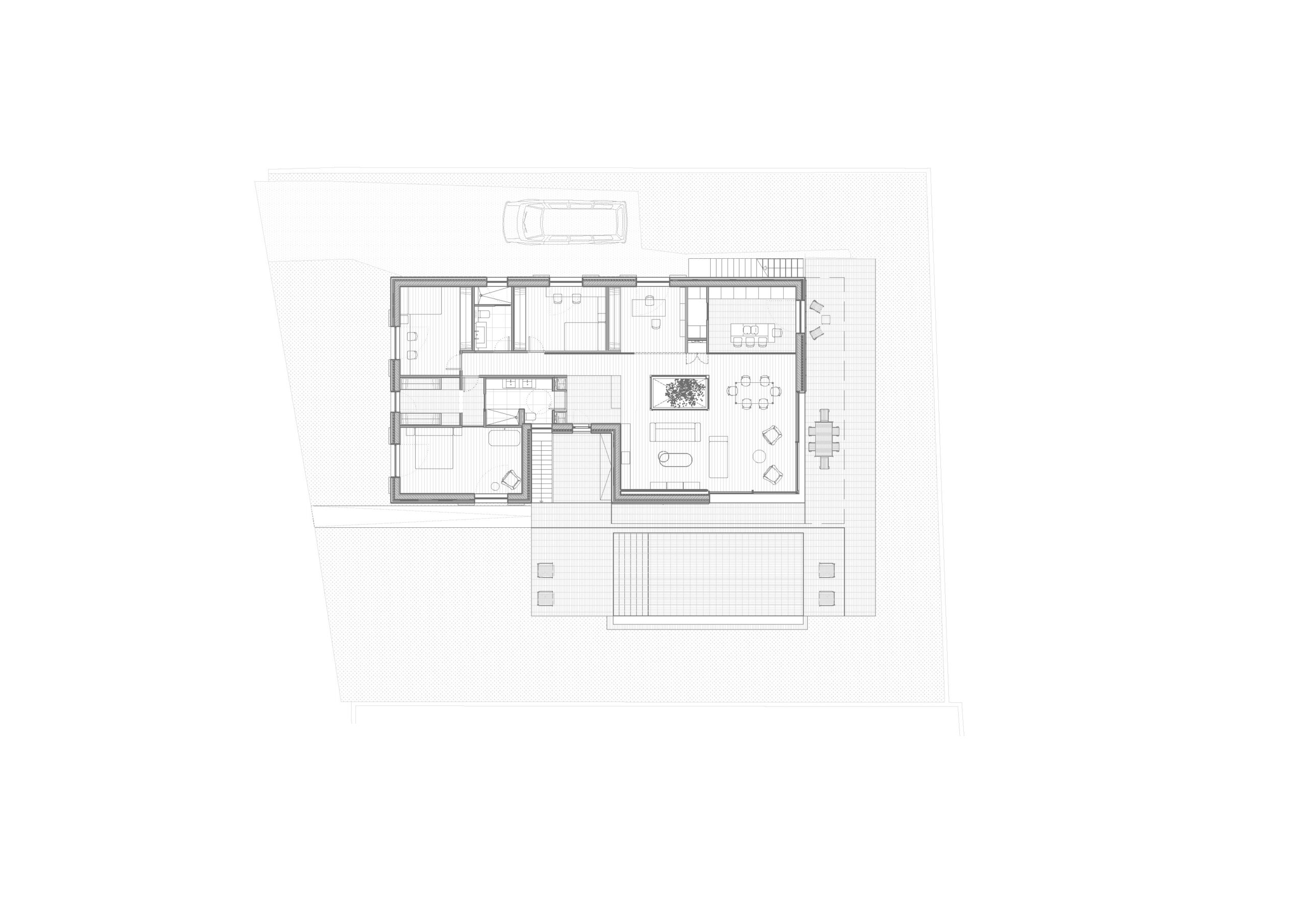
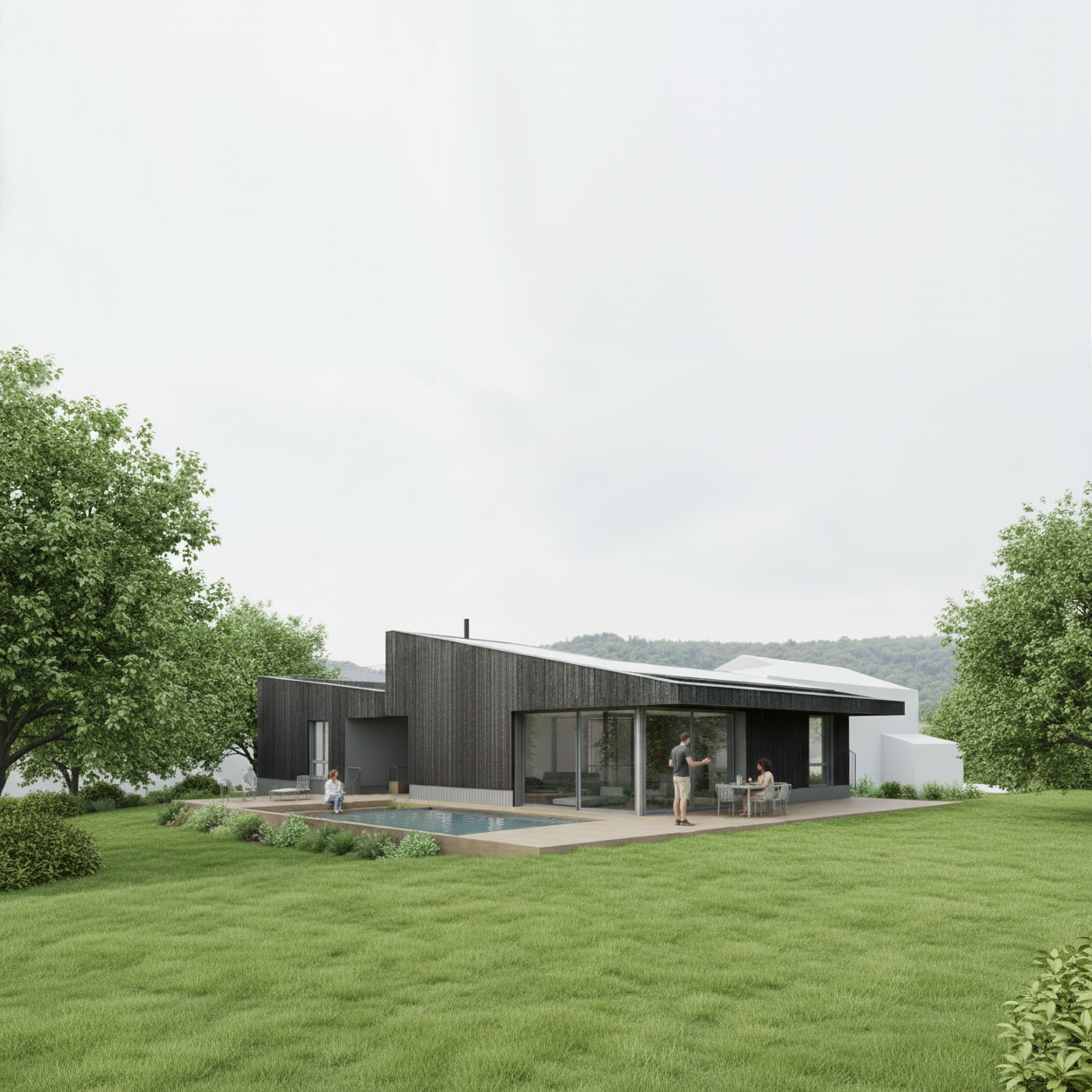
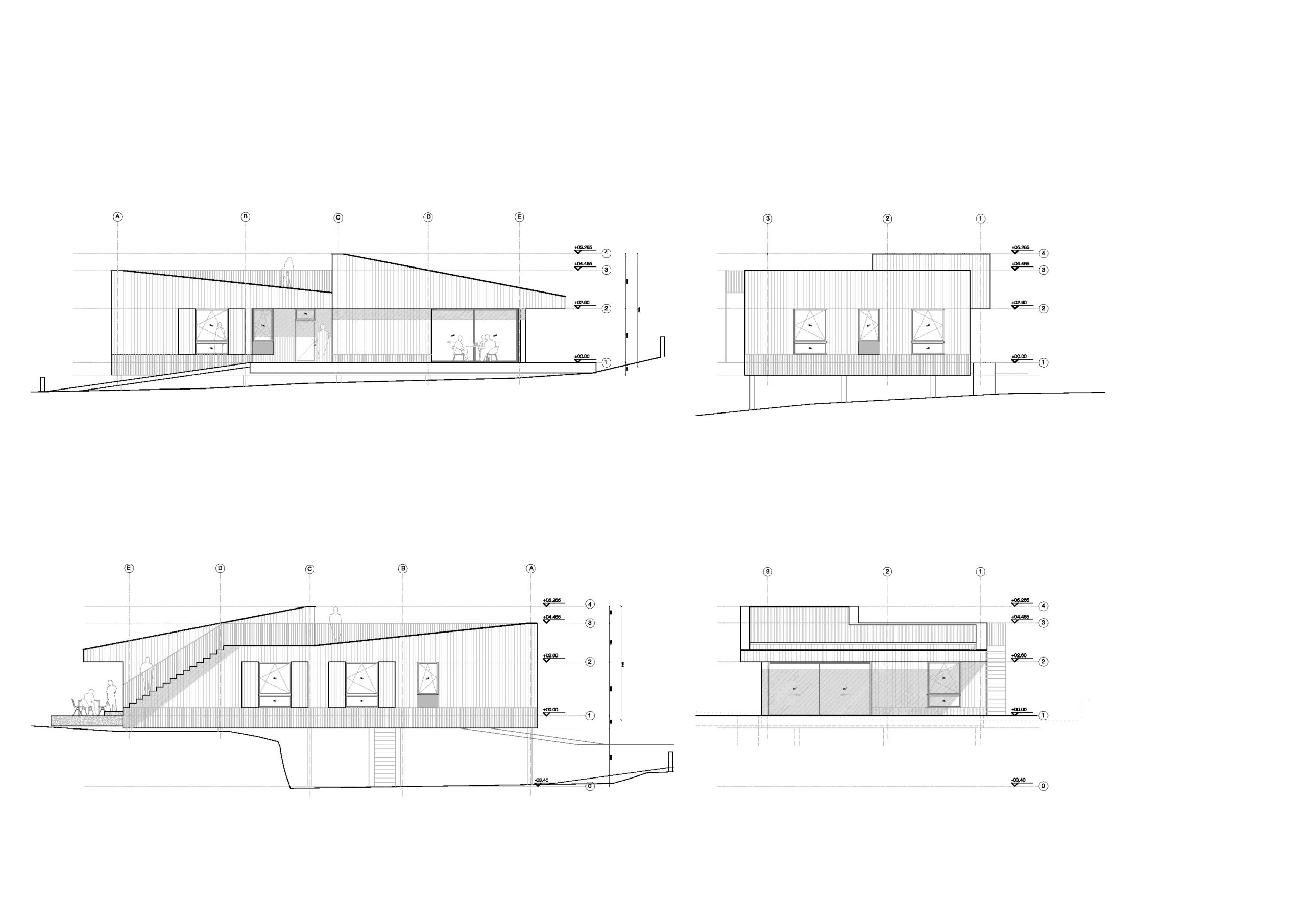
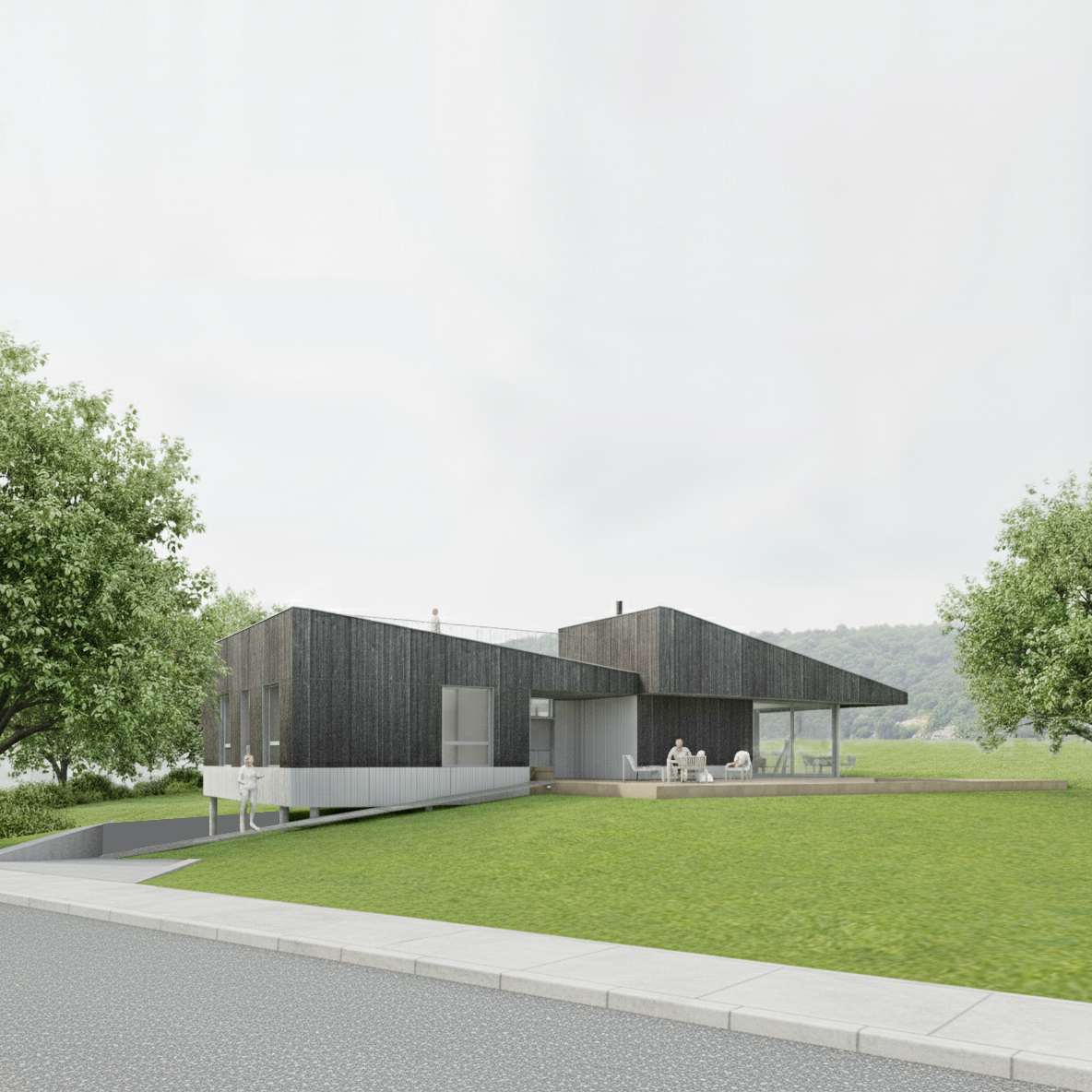
A single-family house with a yakisugi timber envelope (焼杉, the traditional Japanese technique of charring cedar wood to preserve and protect it) — two volumes interlocked and gently resting over an existing rock excavation.
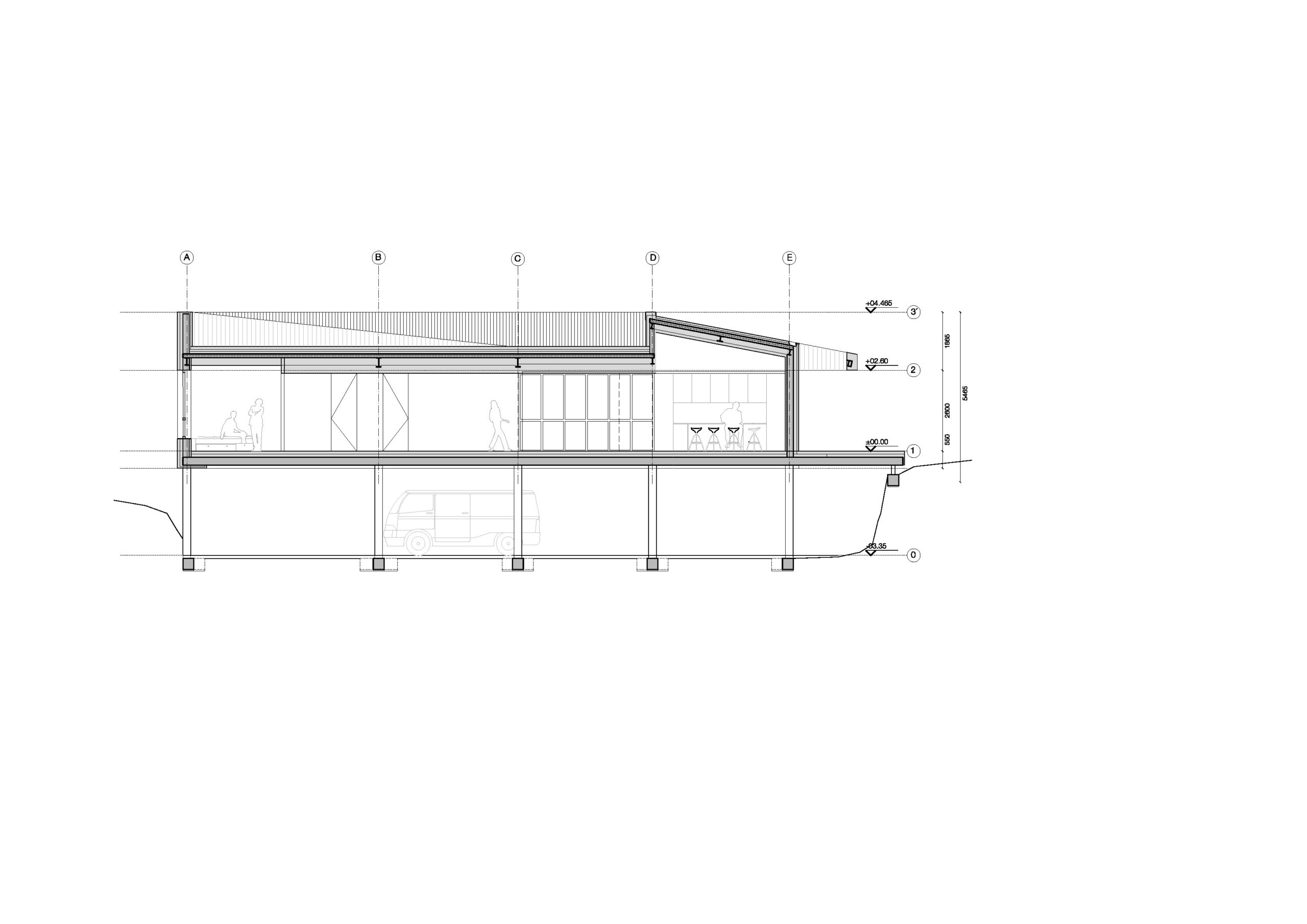
The site already contained a large hollow, a deep cut into the terrain from a previous attempt to level the plot.
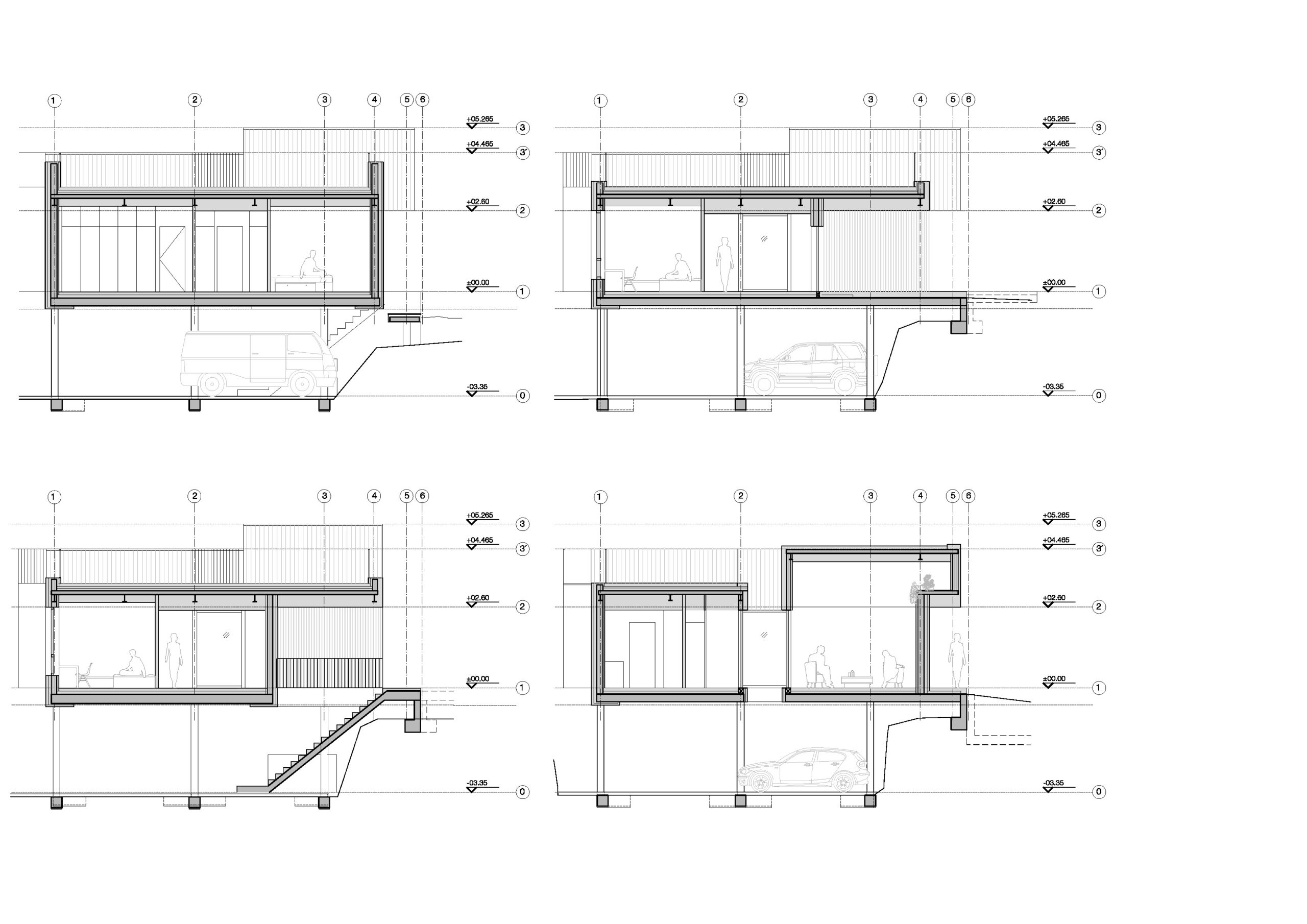
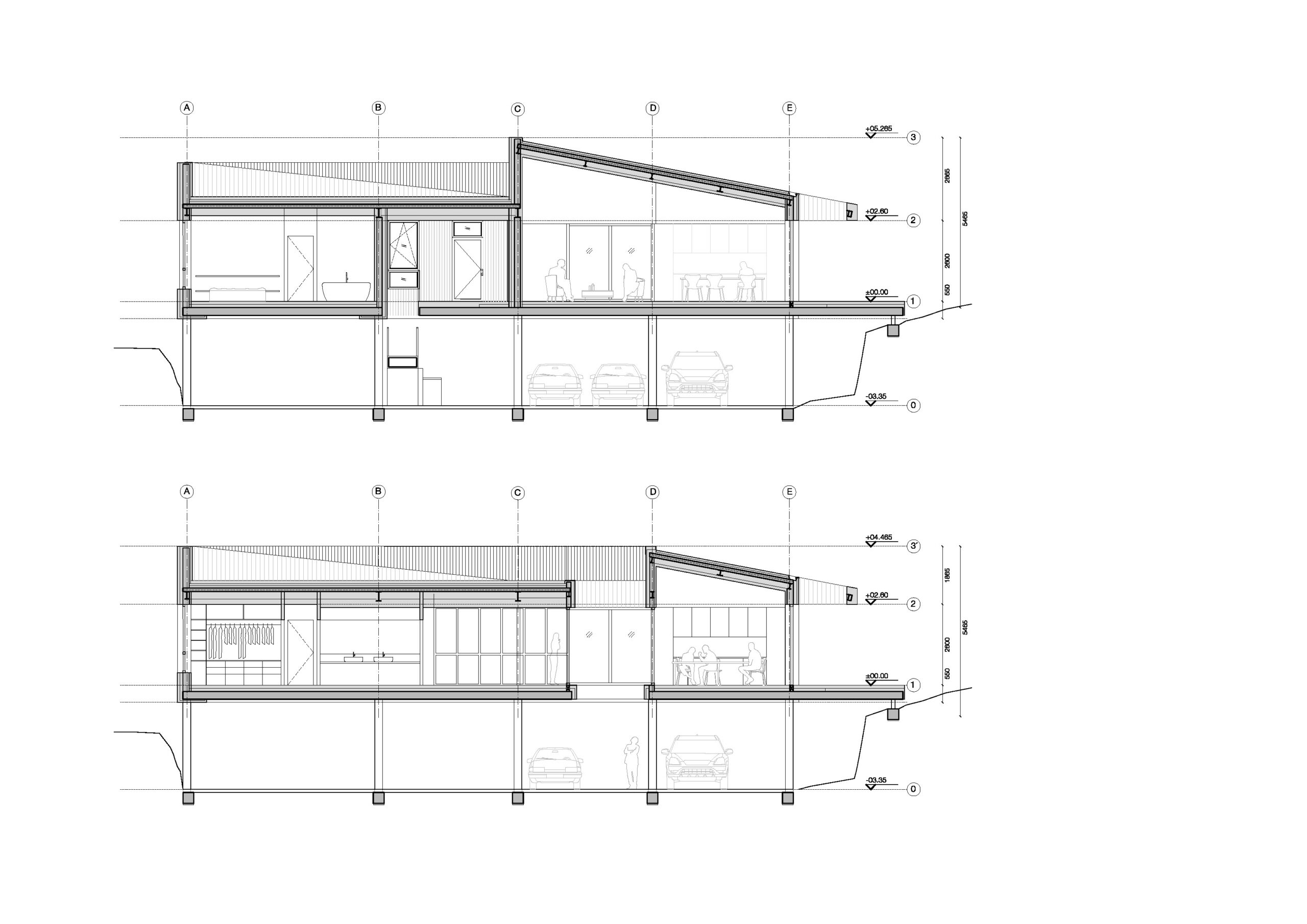
The challenge was to place the house above it — suspending the living space while vehicles remain hidden below, in an open, shaded layer that slides with the slope of the hill.
Above, two blackened volumes meet around a tall glazed void — a pivoting space where day and night transform the interior atmosphere.
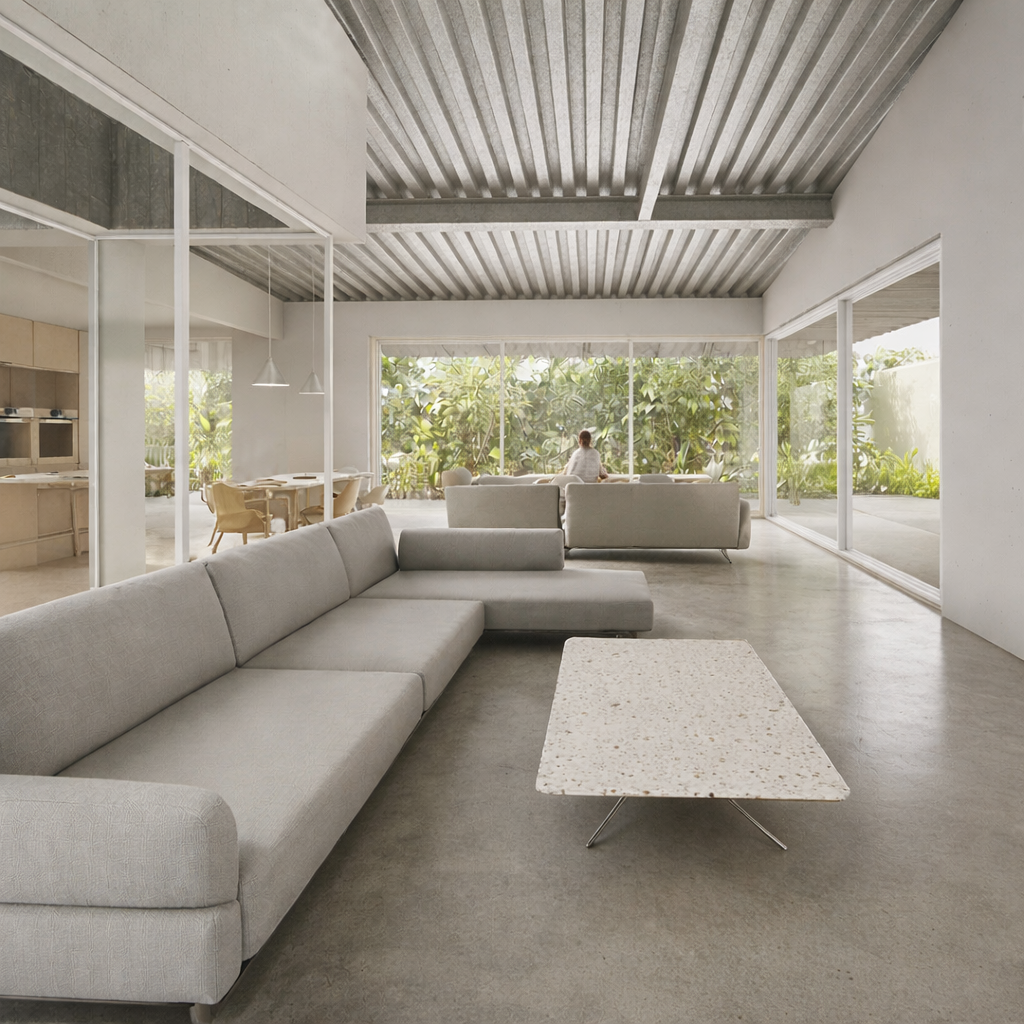
A clear idea of structure and material honesty defines the project: exposed concrete, charred wood, and a corner window that extends the living room towards the covered terrace, the pool, and the horizon.
In Cantabrian, Carbona refers to the place where charcoal was traditionally made — a word that speaks of fire, wood, and transformation.
An introverted house that opens squarely towards the distant sea.